Harper Ellison★ Sage · Lv 7
3 months agoAbout work and friendship and the games we build to survive both. Gorgeous.
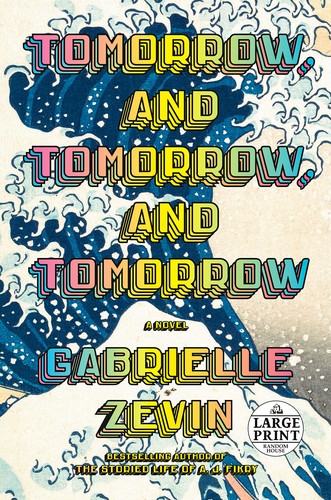
What is a game? It's tomorrow, and tomorrow, and tomorrow. It's the possibility of infinite rebirth, infinite redemption.
Sam and Sadie meet as kids in a hospital games room, reunite in a Boston train station, and spend thirty years making video games together — falling in and out of everything except love, which is somehow both the wrong word and the only one. A novel about work, play, and the collaborator who knows you best.
Zevin's subject is creative partnership as a third kind of love — rarer than romance, harder than friendship. Through Ichigo, Both Sides, and Pioneers — the games Sam and Sadie build — the novel argues that play is how humans rehearse loss, and that games' great gift, the extra life, is the thing reality refuses and fiction can briefly grant.
Zevin, a lifelong gamer, wrote a love letter to the medium threaded with design history — Oregon Trail, Donkey Kong, Ultima. Published in 2022, it won the Goodreads Choice Award, sold millions on word of mouth, and its title — Macbeth's despair speech — reframes as the gamer's creed: tomorrow you play again.
The novel keeps asking why we rank lovers above creative partners — Sam and Sadie's bond outlasts every romantic relationship either one attempts.
From a child playing through chemo to a level built to say what can't be said aloud, the book shows play as the technology humans use to survive pain.
Who gets called the genius when two people make a thing? Sadie's fight for recognition inside her own partnership is the novel's sharpest thread.
A late section narrated from inside a game world — a formal gamble that becomes the most moving chapter in the book.
Sadie logs 609 hospital visits with Sam as bat-mitzvah community service — and when he finds the log sheet, the first great rupture of their thirty-year friendship shows the novel's engine: love and ledger-keeping, hopelessly entangled.
Their first hit, Ichigo, is born in one brutal summer of coding in a borrowed apartment — the fights over engine choices and endings rendered as vividly as any love scene.
About work and friendship and the games we build to survive both. Gorgeous.