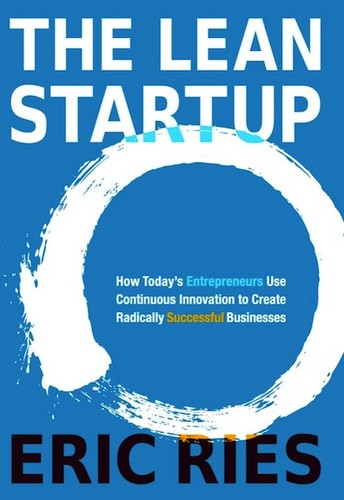
The Lean Startup
by Eric Ries
The only way to win is to learn faster than anyone else.
Why read it
Most startups don't fail from bad technology — they fail by perfectly executing a plan nobody wanted. Ries's method replaces the business plan with a scientific loop: build the smallest thing that tests your riskiest assumption, measure real behavior, and learn before the money runs out.
A startup is not a small version of a big company; it's a temporary organization searching for a repeatable business model under extreme uncertainty. The right unit of progress is validated learning, achieved through the Build-Measure-Learn loop: minimum viable products, actionable (not vanity) metrics, and the disciplined decision to persevere or pivot.
Ries burned years building IMVU features nobody used, then applied lean-manufacturing ideas from Toyota to product development. The book systematized what his blog had made a movement — by now 'MVP' and 'pivot' are vocabulary in every incubator on earth, all traceable to this text.
- 01
Validated learning over output
You'll measure progress by tested assumptions, not shipped features — most effort that isn't learning is waste.
- 02
The MVP
The smallest experiment that tests your leap-of-faith assumption — sometimes a landing page, sometimes a human pretending to be software.
- 03
Vanity vs. actionable metrics
Cumulative signups always go up. Cohort behavior tells the truth. Ries shows how teams fool themselves and how to stop.
- 04
The pivot
A structured change of strategy that keeps one foot in what you've learned — with a taxonomy (zoom-in, customer-segment, platform) that turns panic into options.
Zappos began with founder Nick Swinmurn photographing shoes in local stores and buying them retail after each order — testing whether anyone would buy shoes online before building inventory, warehouses, or software.
Dropbox couldn't demo its product because it didn't exist, so Drew Houston shipped a 3-minute video instead. Beta signups jumped from 5,000 to 75,000 overnight — validating demand with zero code.